
Victim Of Medical Malpractice? Take These Steps
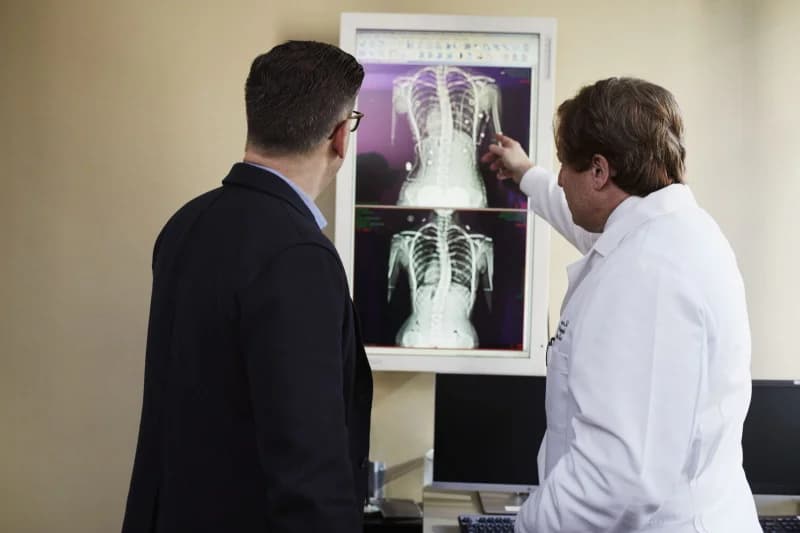
Medical malpractice is an ugly, unfortunate reality for some folks that can have life-altering effects. While we never imagine it would happen to us, the people that we entrust our lives to are sometimes not qualified or make mistakes in doing so. The repercussions can be varied, anywhere from insignificant mistakes to major, life-changing events, illnesses, or even death. So what do you do if you suspect that you may be a victim of medical malpractice?
First things first, get yourself out of immediate danger and stop consulting and working with that particular professional. Seek an experienced and qualified professional to help you heal moving forward and disconnect your health outcomes from the culprit. Your health and safety are paramount and you do not need to be subjected to continued risk.
Remember, you are the best advocate for your own body. You know how you are feeling and you care more than anyone else (your doctor included) about the outcome of treatments, exams or procedures. Don’t let anyone, professional or not, bully you about your body and make you feel uncomfortable asking questions or presenting problems.
Document and retain everything. Keep records of dates, times, medical professionals consulted, medical staff, anything you possibly can. While it may seem insignificant, the more information and facts you have, the more you can provide to the proper disciplinary and legal channels you may end up consulting. This includes obtaining your medical records from the previous doctor's office. You do not need to give a reason for requesting your own documents. Analyze them for accuracy as well.
Consider consulting an attorney. If you are like most people, you don’t hold a law degree and know all of your rights pertaining to your health and malpractice. Consult with an attorney to learn about your rights and any considerations you may not have thought about. An attorney can help you to not only pursue compensation for injuries, pain, and other resulting issues, but they can either assist or guide you in reporting the malpractice to the appropriate boards or resources. By taking action in response to the dangerous treatment you received, you could potentially help protect others from the same fate, or worse. If a doctor is not qualified to be providing the care they are administering, they are a danger to others.
Your attorney will need to assess the situation and will request as much documentation as you can provide to prove your case. This goes back to the importance of documenting everything as soon as you feel there may be an issue. Consult through your legal options with your attorney to decide what works best for you. Even if you decide not to pursue a lawsuit, just consulting can provide peace of mind knowing that you advocated for yourself and sought answers for your questions and pain. You may also look into launching an investigation with the healthcare facility if that would also provide peace of mind. If you are seeking legal action, consult with your attorney before providing any information or filing anything with the facility in question. Breathe. When your health and well-being is in jeopardy, fighting for your rights and body may seem out of the question. First and foremost, you must take care of yourself- and that means mentally and emotionally as well as physically. If you are distraught (which is very likely if you are in the situation), reach out for help from others who can be helpful and loving to you in your time of need. Asking for help when you need it can be the most loving thing you do for yourself, helping you to find peace during a rough time.