
The Importance Of A Home Inspection
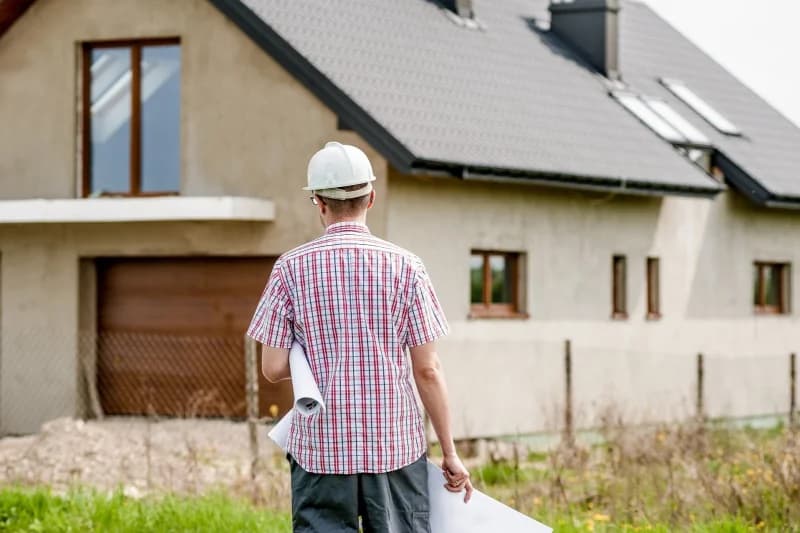
Whether you are shopping for a home or are already in escrow on your dream home, you have almost certainly wondered about the condition of the home you will be buying. We hear all the time about homes being “money pits”- there’s even a movie about it! One of the greatest fears relayed by a homebuyer is whether there is “something wrong” with the home. Buyers fear problems that will sink their finances faster than a weighted boat anchor. While this fear can be completely valid, there are ways of investigating your home purchase to give yourself the best chance of anticipating some of these pitfalls before signing on the dotted line. While there are no guarantees in homeownership, set yourself up for more predictability with a thorough, well-read home inspection.
Who needs a home inspection?
Home inspections are for pretty much every buyer. Even if you consider yourself to be very handy, it is always wise to have a qualified and thorough inspector along, even if it comes as a second opinion for you. Sometimes others will see things that we don’t because they have a different perspective or have experience in something that you don’t. Regardless of what a seller has told you, it is always wise to have a qualified inspector through to check accuracy as well as to check workmanship and point out any additional problems or concerns.
How do you find a home inspector?
When looking for a home inspector, take care to do your research. Your Realtor will generally have a couple of inspectors they like to work with, but don’t think this means you can’t find an independent inspector of your own. Check reviews, the BBB, and ask around to friends and family who have purchased recently. Also, check the credentials of the inspector you choose. And don’t skimp out on price either. If you sincerely feel better with the inspector that also happens to have the lower fee, great. But don’t seek out an inspection based on the cost alone. Saving a hundred dollars now could cost you thousands later if the inspection didn’t live up to the quality it should have.
What happens at a home inspection?
During a home inspection, the inspector will typically walk the interior and exterior of the property and check specific systems and concerns based on the home, age, location, etc. It is best to have a home inspector that has local knowledge to some of the pitfalls to homes in the area based on weather, soil, or any other locally known issue. The home inspection should take at least a couple of hours based on the size and condition. While inspecting the property, the inspector will take note of everything they see and gather information (typically with pictures) in order to prepare a report for you to reference. If you attend the inspection (which you should), you will have a chance to ask any specific questions you have about concerns or items disclosed (or not disclosed in some cases) in the seller provided disclosures. The inspector should also take the time to walk you around the property and discuss any findings they have observed.
What happens after a home inspection?
After the home inspection, you should be provided a written report that you can reference and use moving forward. If there are flaws found during the inspection that makes the property a no-go for you, this would be addressed, as well as if there are any items you will be requesting be fixed or credited, depending on your contract and location. If you end up buying the home, you can also use the inspection as a starting point for any repairs you may consider for maintenance and safety concerns from the get-go.
The home inspection is a vital part of the homebuying process and is meant to protect the buyer from detectable serious inadequacies. It can also be used as a negotiating tool given the right circumstances. Just remember, the inspection is only as good as the inspector. Get the best inspection you can for the best protection.