
Seven Ways to Prevent Expensive Car Repairs
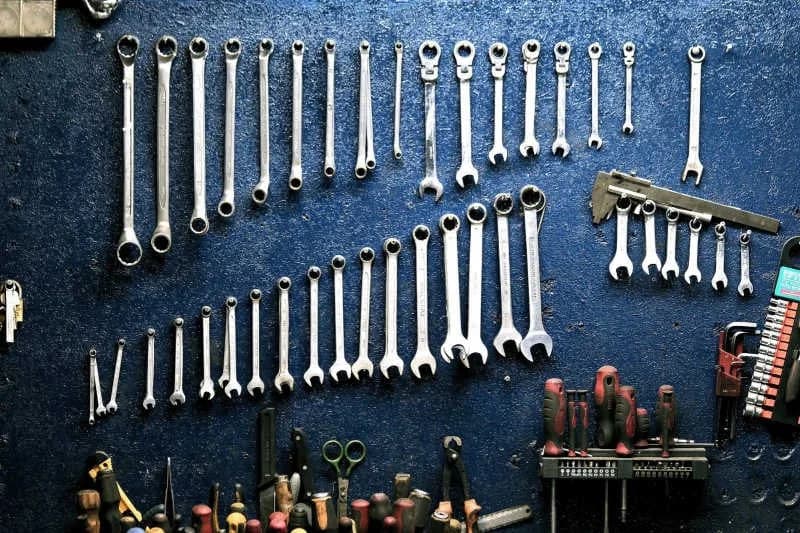
If you’ve ever owned a car, you know that fixing it can cost a pretty penny. Cars can take a beating from us every day. You may drive your car to and from work – logging in a substantial amount of time over a week. Between the cost of labor and parts, you can easily get a bill for a thousand dollars or more. Or, if we’re a little short in money, we may choose to ignore the noise we hear under the hood hoping it will go away. Most of the time, it doesn’t.
Expensive car repairs can be prevented if you take a few proactive steps. Read on to find out how.
Do Your Research
If you are in the market to buy a new or used car, do your research. Cars are a considerable investment, so take the time to read about its history. Some cars have very high reliability and maintenance ratings, but others do not. Spend time looking into how a car holds up, based on its maintenance record and recalls. Customer reviews are also helpful to pinpoint maintenance issues.
If the model is known for repair and maintenance issues, expect that you will most likely have these same issues. While the car may seem like a good deal, if you are paying a few thousand dollars every year in repair bills – it’s not. One of the best ways to keep expensive car repairs to a minimum is not to buy a car that is known for maintenance problems.
Change The Oil
Probably the easiest way to keep car repair costs down is to change your oil and filters on a regular basis. Make a date with your car every few months to have this done. So you don’t forget – put this on the calendar in your phone and set up a reminder. Keeping the oil in your car clean and at the proper levels can extend the life of your car.
Check The Fluids
Regularly check fluid levels in your car. Look to make sure your oil levels are high enough and that you have enough brake, windshield wiper, and coolant. When your car runs low on fluid, it will be forced to work harder and may damage its parts.
Tire Pressure
When you fill-up your tank, check your tire pressure. If it falls below the recommended amount, your car’s performance can suffer. It could even cause an accident. Make sure that your tires are properly filled to the correct levels.
Read The Manual
Oh – the manual. The little book in our glovebox that only gets opened when a light flashes on our dashboard. Take the time to read the manual – it contains very helpful manufacturer recommendations to change out such items as spark plugs, belts, and hoses. Put these dates on your calendar and have these checked out when suggested.
Don’t Ignore That noise, Or The Dashboard Warning Light!
When something doesn’t seem right when you are driving – don’t ignore it. That rattling noise under the hood, the shakiness of the steering wheel, or the puffs of black smoke coming out of the exhaust may be telling you that something is about to go wrong. While it may turn out to be nothing, it is a costly gamble to skip getting it checked out because you don’t have the time or the money. If it’s something serious – it may not be safe for you to be on the road. A quick stop at your mechanic could end up saving you thousands of dollars in repair bills.
Taking A Trip – Get The Car Checked Out
If you are planning on taking a trip, be sure to get your car checked out before you go. Even if you’ve just had the oil changed recently, it’s a good idea to have a mechanic check it out before you leave. If you break down in another state or in a remote area, getting your car towed and repaired can turn into quite a chore.
If you own a car, you know first-hand the impact of expensive car repairs. Not only does this wreak havoc on your budget, the stress of being without a car certainly doesn’t help. But if you commit to a preventative maintenance schedule and get your car checked out whenever you think there is a problem, you can save yourself from expensive car repairs.