
How to Survive on a Small Food Budget
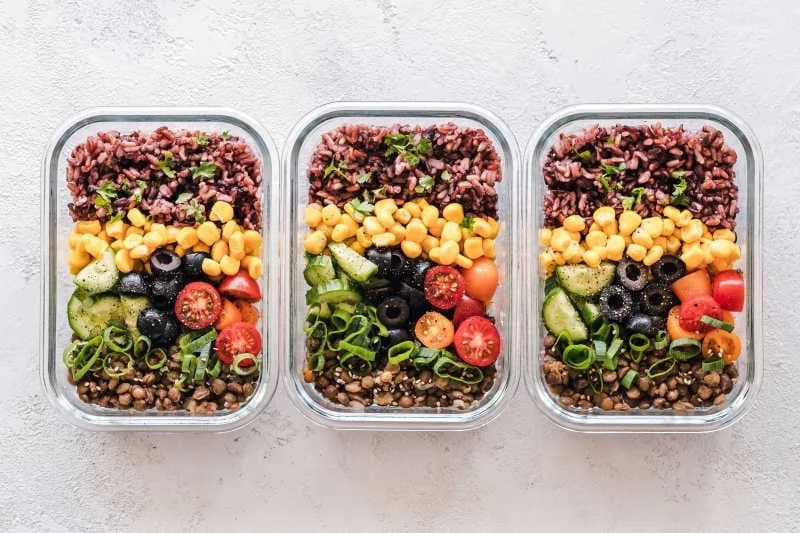
When you live on a tight budget, finding ways to save money to make ends meet is always a challenge. Keeping a close eye on how much you spend to feed yourself and your family can go a long way. But with the high cost of groceries and expensive meals, if you dine out, this can make sticking to a limited budget seem nearly impossible. But if you’re willing to do a little legwork and stick to a plan, you can survive on a small food budget. Read on to find out how!
Plan your meals
Planning your meals will save you both time and money. If you know exactly what you are going to eat for the day, you won’t be tempted to run through a drive-thru or stop by the grocery store to pick up dinner on the way home. Impulse buying is a killer when you are living on a limited budget. Planning your meals helps to eliminate the guesswork out what you’ll eat and will help you stay on track.
A good way to keep the cost down when planning meals is to focus on “the staples.” These are basic, low-cost ingredients that can be used in a variety of different ways. Staples include foods such as eggs, rice, beans, pasta, oatmeal, chicken, and potatoes can be used in many recipes. Peanut butter and canned goods can help keep your spending down. Many of these items will stay good on your shelves for a while, so they can be purchased in larger quantities. This can help you to save a little more at the store. Fresh fruit and vegetables that are on sale are also great meal additions that can add a little variety to what you are eating at a lower cost.
When you plan your meals, take stock of the ingredients that you have on hand. Whatever you need to buy – make a list and purchase only those items at the grocery store.
Discount stores and coupons
Now that you have your list pulled together, shopping at discount grocery stores can save you even more money. If you have a few grocery stores that are in your area, keep a close watch on their weekly ads. You may be able to pick up some good deals, even at stores that are traditionally higher-priced.
Coupons are another way to go. Since you already know what you are planning on buying, check out weekly store ads and online websites to see if they offer coupons for anything on your list.
Visit a Food Pantry
A food pantry can be a great way to keep your spending down. Food pantries distribute food to those who are in need. If you are already receiving some form of government assistance or are on unemployment, you may qualify to visit a food pantry. Visit Feeding America to find a local food bank near you. Local churches or other non-profit organizations may also offer donated food or other assistance to families in need. If you do qualify for these services, use them. Even if it only saves you a few dollars every week, it adds up over time.
Cook in bulk
Making a large meal that has multiple servings can feed you and your family for a few days. Freeze the meal and only heat up the portion that you want to serve. Not only will this save you preparation time, but cooking larger quantities will also save you money in the long run.
Drink water
Beverages have a way of eating up your budget dollars. Invest in a water filter and drink tap water. Not only is water healthier for you, but it also costs nothing. If you like to take water when you are out and about, go with a reusable water bottle.
Stay away from restaurants
The convenience of a fast-food restaurant can wreak havoc on a small food budget. Meals will end up costing you more and, many times, the food quality is lacking. Limit restaurants to truly special occasions and, whenever possible, go during the times when specials are offered.
Sticking to a tight food budget can seem like an impossible task, especially if you are feeding a family. If you are willing to invest your time and energy into planning meals, looking for good deals, and searching for services that may be available to you, you can feed your family on a small food budget.