
How to Improve Credit Score as a Low-Income Earner
Tough economic times coupled with ups and downs of life can make it hard to meet your financial goals. Despite making sincere intentions, you still find some debts slipping through the deadline and others overburdening you. Although it may sound strange, it is a reality and unwritten rule in the world of loans and finances that the less money you earn, the limited the chances of getting a big loan. Private lenders and banks use credit score to predict your ability to repay a loan. As a low-income earner, building a credit score can be a hurdle. However, that doesn’t mean you will never build a good credit score. Below are some credit repair and improvement tips to help you build your score.
Keep Your Payments Green and Avoid Bad Debts
Try to avoid bad debts at all costs! Bad debts don’t do anything good instead they hurt your asset base, damage your credit score and make it hard for you to repay a loan. Only take a loan that can help you build your asset base. Remember, your payment history affects your credit scoring to a large extent. Being capable of paying your little obligations is an indication to lenders that you can responsibly handle a debt. Things like defaults, late payments, and third-party collections can harm your payment history. In case you already have a loan, set up reminders to avoid late payments. Some banks even provide loan payment reminders via text messages when a monthly payment is due.
Make Use of a Credit Card
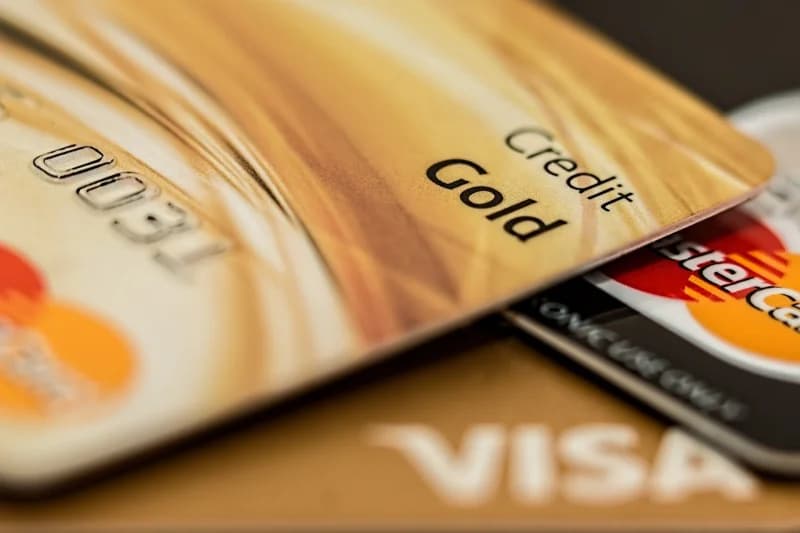
Low-income earners barely qualify for high debts. One type of debt that can help you build good credit is revolving credit. This is accessible via a credit card. Learn to maintain a low balance to help build your credit quickly. Use the card to make daily purchases then pay them down at the end of the month. Doing so helps you avoid taking expensive things you can’t afford to pay.
Additionally, by having a credit card you eliminate the problem of credit invisibility. Credit invisible means you don’t have sufficient credit to generate a credit score with the credit rating bureaus. It is a common problem with most low-income earners.
Utilize Government Supported Loans
The government supported loans are beneficial for low-income earners. These loans are designed to help people with bad or no credit scores at all. The FDIC is one product that provides funding to those who need financing. The loan is given depending on how much you earn. You can utilize such loans to build your score.
Beware of Your Income-Debt Ratio
The level of your income to debt ratio is paramount. You should never throw yourself into debts that exceed more than 30% of your income. It not only puts you at high risk of defaults and non-payment but also hurts your credit report. Too much debt can reduce your score to a great extent.
Apply for an Installment Loan
Having different types of loans can help grow your credit score. Apart from revolving credit card debt, consider taking a loan you can repay through installment basis. These types of loans are often issued in fixed amounts and are paid via installment at the end of the month, quarterly or end year. Such a loan is essential when purchasing simple assets like electronics or furniture. You can repay the loan with small interest and still get the chance to rebuild credit score.
Apply for Loans Cautiously
Every time you make a loan application, lenders will inquire your credit score. This tends to pull a hard inquiry on your credit report. Such a pull can hurt your score temporarily and the effect can last for up to 6-12 months. The inquiry remains on your report for as long as 2 years. Therefore, before applying for a loan try to evaluate your likelihood of getting approved. A denied loan application can ruin your score. Similarly, applying for several credit cards within a very short period can impact negatively on your score.
Remove Errors on Your Score
Not all credit reports are accurate. The Fair Credit Reporting Act is a body that helps individuals to correct wrong credit reports. If your report contains errors, it is vital to remove them on time. Check whether the accounts you don’t use anymore or the ones closed are included in the report. Credit report checks should be done every year. When such mistakes are fixed, you can improve your score.
Conclusion
The biggest hurdle that most low-income earners face is building a good credit score. While others don’t have credit at all, some battle to fix an already damaged score. Avoiding bad debts, making good use of credit cards, applying for an installment loan, keeping tabs on income-debt ratio and applying for loans cautiously are some of the techniques to help rebuild a score.