
Are You Prepared for a Financial Emergency?
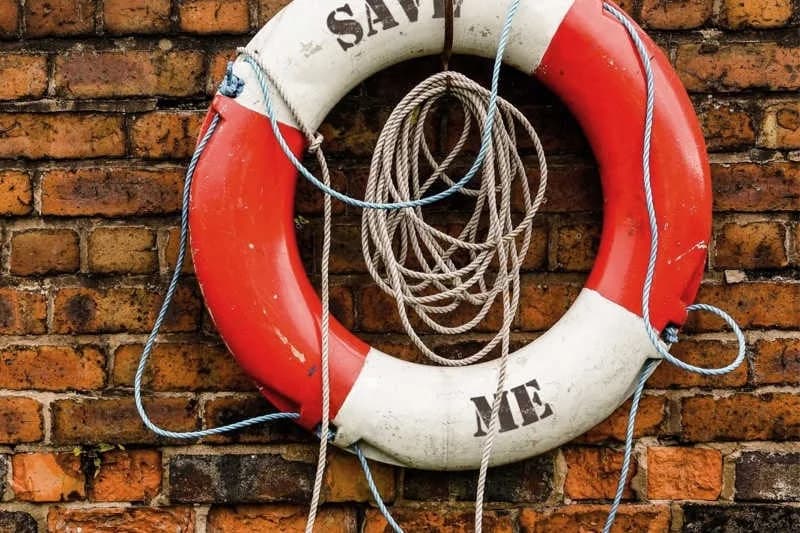
When the unexpected happens – it can throw us into a tailspin. A car that breaks down, a family illness, or a pipe bursting in your home – these can wreak havoc on our lives and our finances. Not only are you dealing with the stress of the emergency, but it may also be tough finding the money to pay for it. When you aren’t prepared, it may take you a few months, if not longer, to recover from this financial burden.
Although financial emergencies can drastically impact your budget, you can take steps to prepare for one. Follow the tips below to take care of your family in a financial emergency;
Set up an Emergency Fund
A good rule of thumb when setting up an emergency fund is to cover three to six months of living expenses. But if you live paycheck to paycheck, this may seem next to impossible. With a little planning, it can be done.
To start off, it’s best to setup a separate savings account to keep your emergency funds away from the money you need to live on. To build up your emergency fund, consider these tips;
- If your paycheck is directly deposited into your bank account, you can have a small amount automatically deposited into your savings account. Even if you can only afford $50 each check, this can quickly add up over time.
- For those who don’t have their paycheck deposited directly, write a check to your savings account on the day that you get paid.
- Save all loose change in a jar and deposit this into your savings account a few times a year.
- If you get a tax refund, a bonus at work, or just come into a little extra money – save it!
- Have any clothes, gadgets, or household items laying around the house that you never use? Sell them and deposit the money into your emergency fund.
- Consider picking up some part-time or freelance work to help build up your fund.
If you can stick to a monthly savings plan and sock away any extra money into your emergency fund, you’ll be able to grow this quicker than you think.
Cover Yourself with Insurance
If you own your home, check with your insurance agent to make sure that you have the correct coverage in the event of a natural disaster or emergency. People who rent homes or apartments should carry rental insurance. This will help to keep you covered if your furniture, equipment, or other belongings are damaged or stolen. Health insurance can keep your medical costs lower if you, or a family member, is injured or gets sick. Finally, check into life and disability insurance coverage. Both can help your family pay for living expenses in the event that something happens to you.
Remember that most insurance policies require you to pay a deductible. Consider building this into your emergency fund, so that you have this if you need it.
Prepare for a Natural Disaster
Unexpected expenses can wreak havoc on your budget if you experience a natural disaster, but a little preparation can go a long way. If you live in an area that may experience hurricanes, earthquakes, tornados, or flooding, check to make sure that you have adequate insurance coverage to cover your home and belongings.
Plan for a potential emergency by putting together a kit of essential items, which may include;
- Canned food or other non-perishable items for at least five days
- Water
- Batteries, flashlights, candles, and matches
- List of all bank accounts and credit cards, along with contact phone numbers
When a natural disaster hits, you may not be able to get these items. Or if you do, they may be very expensive. Also, be sure to have some cash on hand. If the electric or internet goes down in your area, grocery stores and gas stations may be unable to accept credit cards.
Setup an Emergency Budget
If you lost your job today, an emergency budget can help you to narrow down the expenses that you need to pay to survive. It’s a reduced spending plan that you use with your emergency fund to make it last as long as you can. An emergency budget knocks out the non-essential expenses such as entertainment, personal care, and eating out at restaurants. If you are really struggling financially, cable and internet may be on the list of non-essential expenses.
Getting through a financial emergency is tough, but it doesn’t have to break your budget. By anticipating an emergency, you can plan for it. Put a little money aside every week, or every month, and make sure that you have the right insurance coverage. These small steps can save you the stress of trying to figure out how you’re going to deal with a financial emergency.