
An Alternative Path to Homeownership: Rent to Own
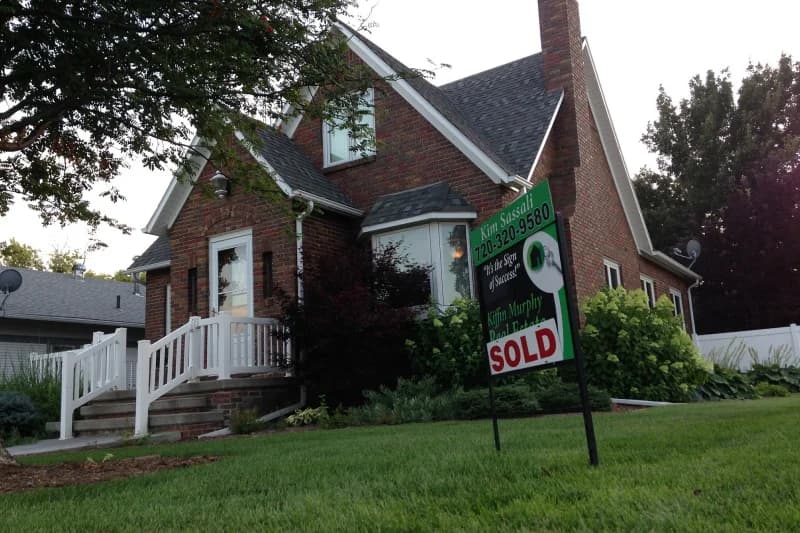
Traditional home buying involves building credit, saving for cash down payment, and financing a mortgage. But without these, you may be interested in going another route: having a rent-to-own agreement. This means you’d rent a home for a designated amount of time, and then before the expiration of the lease, having the option to purchase the home.
With the two features of a renter’s agreement and the option to buy, it’s a little more complicated than simply renting. Take extra consideration as you sort through what you’d like to do, so you can figure out if renting-to-own is the best deal for you.
Option Money
The first thing to note about a rent-to-own agreement is the upfront, usually nonrefundable, fee called the “option fee.” It may be negotiable and range anywhere from 2.5% to 7% of the purchase price.
Lease Option vs. Lease Purchase
The next thing to evaluate is the different kinds of rent-to-own agreements available. Some are more flexible than others, like a lease-option. These are contracts that reserve your right to purchase the home, but not the obligation. If you decide not to stay, the lease expires and you simply walk away.
With lease-purchase contracts, you may be legally obligated to purchase a home at the end of the lease, regardless of its affordability at that point. Legal vernacular is tough to discern, so it’s a great idea to have a real estate attorney review your contracts before you make any commitments so you have a comprehensive understanding of your rights.
Clarifying the Actual Purchase Price
Agreements should clearly define the time frame of purchasing a home, and how the price is determined. Sometimes, the renter will agree on a purchase price at the signing of the contract. Other times, the price is determined at the end of the lease, based on the house’s current market value. The former allows buyers to lock in a purchase price in a seller’s market, which can be a great feature.
Understanding What Your Rent Money Buys
You’ll pay rent for the duration of your lease. You’ll want to pay attention to any amount of your rent that may be applied to the purchase of the home. Typically, rent is higher for the going rate of the area to make up for the rent credit applied to your contract when you purchase the home. Your goal would be to have as much of your rent money as possible to go toward the overall purchase price of the home.
Buying the Home
At the end of your lease, your agreement determines what happens next. If it was a lease-option agreement, and you find yourself not wanting to purchase the home, after all, you would just move out. You’d probably not receive any refunds of option money, but you have no other commitments to the home.
If you have a lease-purchase agreement, you might be responsible for purchasing the home at the end of the lease. This often requires solid credit, a down payment, and financing a mortgage to pay the seller in full for the home. If the lease ends and you haven’t found yourself in a position to qualify for a mortgage, this can be very distressing.
The general rule of thumb with rent-to-own agreements is to treat the process as if you were already buying the home. Make sure you research where you’ll live, compare the market value of other homes and study your contract with the help of a professional.