
8 Must-Know Veteran Housing Assistance Programs
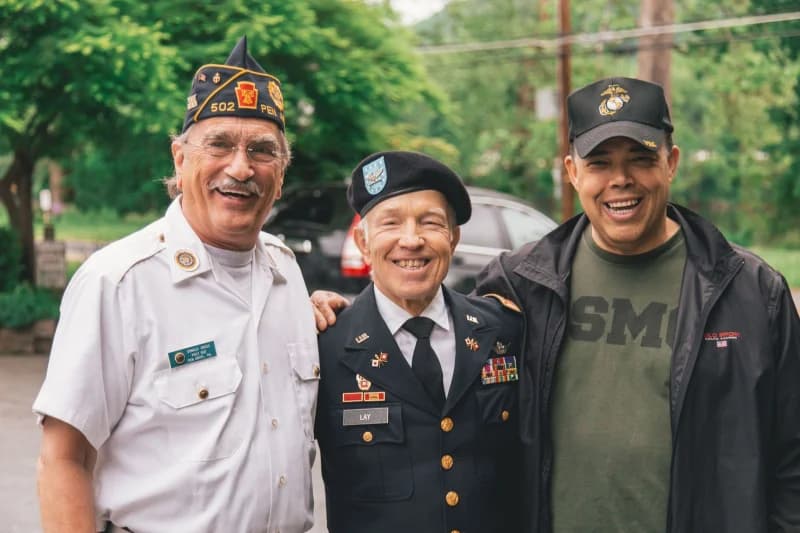
Providing financial assistance to our veterans is a valuable service that can be given to those that serve to protect our country. Because of the commonality of financial or loan need, there are many programs in place, often run by our government’s Veteran’s Affairs office (VA), to assist our veterans.
Upon returning home from deployment, recovering from injuries, adjusting to a current disability, or merely needing a financial leg-up, veterans sometimes find that they can use some assistance in finding a home that is suitable and affordable for them and their families. Luckily, there are multiple programs in place to help with this. Below, we’ll review some available veteran housing assistance options.
VA-Backed Home Loan
With a VA-Backed Home Loan, an eligible veteran can apply for a mortgage with a non-VA bank to purchase a home. Lenders are more likely to offer a mortgage because the VA will cover some losses if the borrower defaults on the loan. Most of these loans (about 90%) are given without requirement of down payment, and better terms are usually offered to the borrower since the lender has the support of the VA in case of an issue of repayment.
VA Direct Home Loan
This loan differs from a VA-Backed home loan in that all mortgages and applications are provided by the VA office directly to the borrower. Often, no down payment is required, and very competitive interest rates are offered to the borrower.
Interest Rate Reduction Refinance Loan
An Interest Rate Reduction Refinance Loan (IRRRL) is available as a form of re-finance to veterans who already have a mortgage in place. When using this program, borrowers can often restructure their mortgage through the VA to have better mortgage terms and more affordable monthly mortgage payments.
Housing Choice Vouchers
This program is not specific to veterans but is useful to ensure low-income families can afford adequate, safe, and clean housing. To those that qualify, this HUD run program will allot vouchers to cover a certain amount of the rental cost to rent a home available in the private sector. The local PHA (public housing authority) will pay a portion to the landlord or owner of the home, and the resident is responsible for paying the remainder.
Department of Veterans Affairs Supportive Housing
This HUD affiliated program, Veterans Affairs Supportive Housing (VASH), is geared towards assisting homeless veterans, or those that have mental health or substance abuse problems. Through this program, a qualified veteran can be placed in affordable and permanent housing and receive counseling and the assistance of a case manager.
Supportive Services for Veteran Families
The Supportive Services for Veteran Families (SSVF) program offers grants to organizations that exist to prevent veterans from losing their homes while in financial crisis. This program can be a good option if the veteran’s family requires urgent assistance as a case manager will be assigned to locate another residence and facilitate a move into alternative housing as quickly as possible.
Adaptive Housing Grants Program
This program, the Adaptive Housing Grants Program, is in place to assist disabled veterans. Making modifications to a home to assist a disabled veteran and allow them to function independently can be expensive. This program can help fund necessary changes that need to be made to the home.
Public Housing
While this is income based, it can be an invaluable resource for veterans and their families that are having trouble affording housing. Through HUD run public housing programs, low-income veterans and their families can be assisted in finding housing within government-run projects. Rental fees usually range between 10-30% of the veteran’s monthly income.