
5 Grocery Shopping Hacks To Stash More Cash
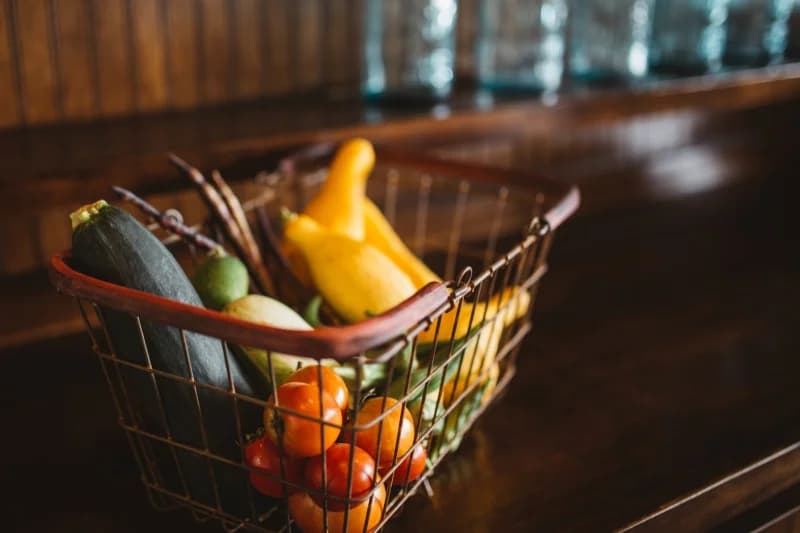
Groceries are a necessary part of any household budget- even the most frugal among us. So while this is a mandatory expense, you need food to survive, after all, it doesn't have to take over your budget and leave you devoid of your other financial goals. With balance, research, and great tools, you can save big on your grocery budget and leave more room in your finances to enjoy other areas of life.
So you know you need to cut back on your budget, but where do you even start?
1. Get your mind right.
Like most anything in life, being successful in making changes to your grocery budget will start with making some mental shifts and decisions for you and your family. Instead of seeing all groceries as being equal and a part of a necessary grocery budget, you will need to prioritize and get creative about what you actually need vs. what is a luxury and convenience you can do without. When you are seriously strapped on cash, focus on foods that have multiple purposes, will get used up, and don’t function as snacks or foods that have little nutritional value or added benefit. In other words, swap the potato chips for veggies and hummus. Get the most bang for your buck by buying groceries that will fill you up, contribute to your health, and cost less per snack or meal after you get all the servings out of the package. A bag of chips may run you 3-$4 and you can eat it in a couple of sittings without getting full or nourished. Instead, grab a bag of carrots and a container of hummus and get a 3-4 serving of healthful snacks that fill you up instead for the same price. If you repeat this process regularly, you can save half based on greater serving quantities and satiety alone.
2. Buy preservable foods in bulk when they go on a great sale.
Instead of buying meat (or other items that you can freeze and keep for longer periods of time) weekly regardless of pricing, buy large quantities when they go on sale and spread out their use by keeping the meat in the freezer and using/thawing it when you need it. Again, you can save 1⁄2 or more on your meat purchases, which happen to typically be the most expensive items in your cart. This could be a big win for your bank account.
3. Look for store specific apps and coupons to increase your savings.
If the store you shop in has an app (and most do), download and start clipping those extra savings and exclusive deals. Look for items you can freeze, meat and otherwise (see suggestion #2 above) and get busy. With these apps, you can even score items free at times.
4. Use apps like Ibotta and Checkout51 to increase savings.
These apps have tons of coupons and rotate deals regularly (especially Ibotta). There are even coupons for items without needing to buy specific brands. For example, they may run coupons for $.25 off of any bananas, crackers, milk, eggs, etc. Once you save $20 in the app, you can have the money sent directly to your PayPal or other method and get paid. You can even work in teams with people you know or refer in order to boost extra savings. These can also be used in addition to any physical coupons, store sales and clearances, and digital coupons you find. Apps like these can be a great ally in your fight against the grocery spending black hole.
5. Don’t shop hungry or with people that don’t have self-control.
It seems like we hear this all the time, but it is for good reason, so we decided to remind you again. Shopping hungry will make it harder to buy multipurpose foods and instead will encourage convenience foods and junk food that will satisfy your low blood sugar now. And these foods tend to come at a premium. If you can, leave your kids or spouse at home if they can’t get on board with your shopping list and good habits.
On top of these practical solutions, always make sure you shop with a core list. By deciding ahead of time what your family needs, you can plan your budget and meals and hedge extra spending and impulse buys- a budgeters worst nightmare!